
Introduction
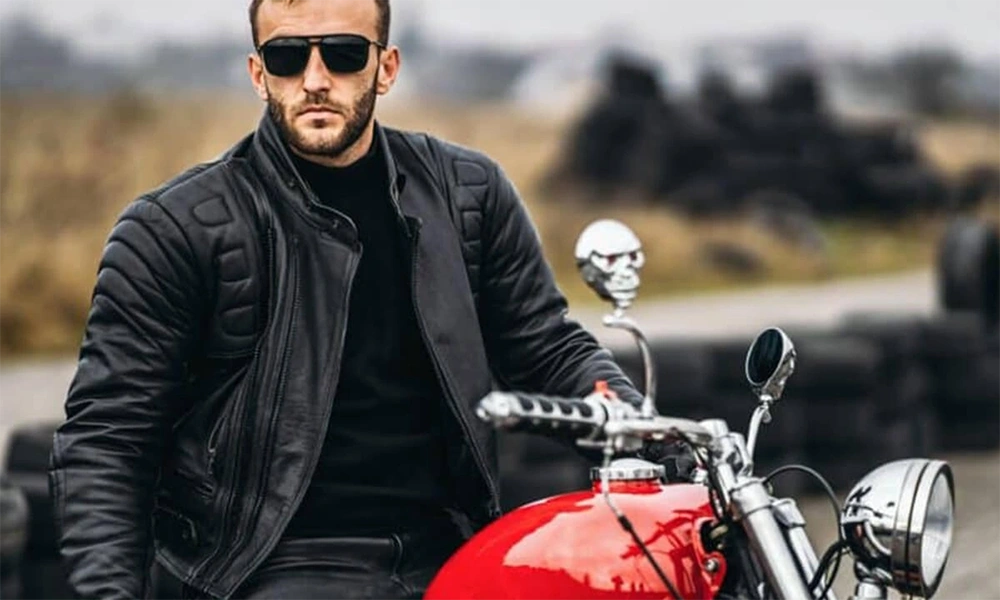
A premium leather jacket is the most iconic piece of gear in any motorcycle rider’s wardrobe. It has been the uniform of riders since the earliest days of motorcycle culture, and in 2026, it remains the most trusted, most stylish, and most culturally significant piece of riding gear available.
But a biker leather jacket is not a fashion purchase the way other leather jackets are. For riders, a jacket must do two things simultaneously: look exceptional and provide genuine, measurable protection. The stakes are real. A jacket that looks great but offers no meaningful protective features is not a motorcycle jacket. It is a costume.
This guide covers both sides of the equation completely. We explain the protection standards that matter, what to look for in a riding-specific leather jacket, the best styles available in 2026, how to wear your jacket on and off the bike, and everything else a serious rider needs to make the right buying decision.
At Trendophobia, we design our leather jackets for people who take both their style and their safety seriously. This guide reflects that commitment.
Why Leather Remains the Top Choice for Motorcycle Riders in 2026
Before exploring specific styles and safety standards, it is worth understanding exactly why genuine leather remains the preferred material for serious motorcycle riders despite the availability of modern textile alternatives.
A good leather jacket provides unbeatable abrasion resistance if things get sketchy on the road. It keeps the wind out without turning into a sail. And leather gets better with every ride, molding to your body and telling the story of every mile you have logged.
According to RevZilla, many riders still trust premium leather, especially kangaroo or 1.2mm and thicker cowhide, for the ultimate in slide protection because the material’s natural fiber structure provides a tough barrier between skin and pavement that synthetic alternatives still struggle to replicate fully.
The abrasion resistance of high-quality leather in a crash scenario is not a marketing claim. It is a physical property. When a rider slides across pavement, the friction and heat generated are extreme. Leather’s dense natural fiber structure distributes that friction across a larger surface area and resists tearing in a way that most textile alternatives cannot match at equivalent thicknesses.
In 2026, the best leather motorcycle jackets combine this inherent material advantage with modern armor systems and CE-certified construction to deliver protection that is both functionally superior and visually exceptional.
Understanding CE Safety Ratings: What Every Rider Must Know
This is the section most fashion-focused leather jacket blogs skip entirely, and it is the most important section for anyone actually riding a motorcycle. Before buying any leather jacket for riding, you must understand CE safety ratings and what they mean for your protection.
CE Jacket Classifications
A leather jacket for motorcycle riding should do three things well. It should look cool, protect you from a slide or fall, and effectively keep the wind off you. It should have armor at the shoulders and elbows, a pocket for an optional back protector, and possibly chest protection too. The CE-rated impact protection levels are Level 1 and Level 2, with Level 2 providing greater impact absorption. The jacket itself should carry a CE rating of AAA, AA, A, or B, with AAA offering the most abrasion resistance and most secure construction.
Here is what each classification means in practical terms:
Class AAA: The highest protection level. Offers maximum abrasion resistance and the most robust construction. Required for track and racing use. Certified to EN 17092-2:2020.
Class AA: Excellent protection suitable for touring and longer road trips. Features EN 1621 Level 1 impact protection at shoulders and elbows. A back protector is often included. Certified to EN 17092-3:2020.
Class A: Good protection for urban and commuter riding. Features EN 1621 Level 1 impact protection at elbows and shoulders. Suitable for city riding and shorter trips. Certified to EN 17092-4:2020.
Class B: Minimal protection. Designed to hold impact armor in place, but does not meet minimum abrasion standards on its own. Suitable only as a base layer when paired with higher-rated outerwear.
CE Impact Armor Levels
Beyond the jacket’s own rating, the armor inserts inside the jacket carry their own CE certification:
EN 1621-1 Level 1: Standard impact protection at shoulders and elbows. Absorbs impact energy to a defined threshold and is the minimum standard for any riding-specific jacket.
EN 1621-1 Level 2: Superior impact protection that absorbs significantly more impact energy than Level 1. According to MotorcycleGear360, CE Level 2 armor absorbs up to 50 percent more impact energy than Level 1 according to European safety standards, making it the preferred choice for riders who cover significant distances or ride at higher speeds.
EN 1621-2 Back Protector: A separate certification for back protection inserts. These are typically sold separately and inserted into a dedicated pocket in the jacket. Level 2 back protection is strongly recommended for all riders.
What to Check When Buying
Always check that the jacket features CE-certified limb and back impact protection to a minimum of EN 1621-1:2012 Level 1. CE armor is soft and flexible, meaning it is protective without restricting the rider’s freedom of movement.
The Motorcycle Safety Foundation consistently emphasizes that proper protective gear, including CE-certified jackets, represents one of the most effective risk reduction choices a rider can make. According to MotorcycleGear360, proper protective gear can reduce the risk of injury by up to 50 percent in an accident. Investing in a properly certified leather jacket is one of the most consequential decisions a rider makes.
Leather Thickness: The Specification Most Riders Overlook
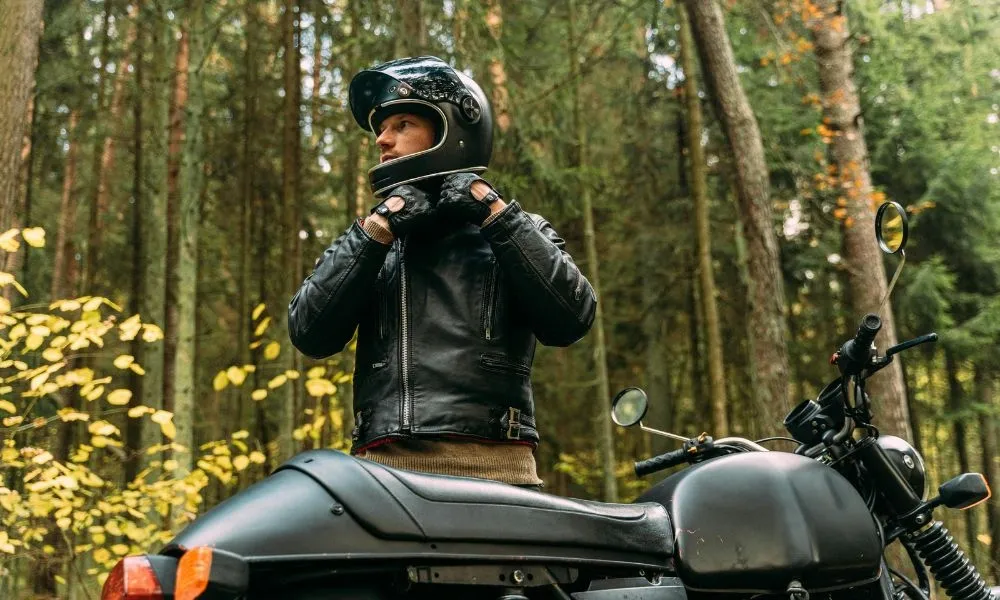
Alongside CE ratings, leather thickness is one of the most important and most overlooked specifications when buying a motorcycle jacket. Thickness directly determines abrasion resistance in a slide scenario.
The Alpinestars Tory leather jacket’s bovine leather measured at 1.2 millimeters in thickness, which is thick enough for abrasion protection while not making the jacket too heavy or too restrictive in terms of movement.
Here is a practical guide to leather thickness for riding jackets:
0.8mm to 1.0mm: Minimum acceptable thickness for light urban riding. Provides basic abrasion resistance but is at the lower end of what serious riders should consider.
1.0mm to 1.2mm: The most common thickness range for retail motorcycle leather jackets. Provides solid abrasion resistance suitable for regular road riding and commuting.
1.2mm to 1.4mm: Premium thickness range offering excellent abrasion resistance. Suitable for touring and regular highway riding.
1.4mm and above: Maximum protection territory. Typically found in racing-specific leather and high-end touring jackets. Heavier but provides the strongest slide protection available.
Full-grain cowhide at 1.2mm and above remains the industry standard for serious road protection. Full-grain cowhide construction guarantees excellent abrasion resistance in crash scenarios and, when combined with CE-certified armor at the shoulders and elbows, delivers the protection level needed for daily commuting and regular road riding.
The 5 Best Leather Jacket Styles for Bike Riders in 2026
1. The Classic Asymmetric Moto Jacket
The asymmetric moto jacket is the definitive motorcycle leather jacket and the style most directly connected to riding culture. Its design features originated specifically for functional riding use: the asymmetric zipper placement protects the chest in a forward-leaning riding position, the structured lapels block wind at the collar, the snug cuffs seal out wind at the wrists, and the shorter body prevents the jacket from bunching behind the rider.
In a riding-specific version, the moto jacket adds CE-rated armor at the shoulders and elbows, a back protector pocket, and pre-curved sleeves designed to accommodate the riding position without restriction.
Best for: All riding types from urban commuting to weekend touring. The most versatile motorcycle leather jacket style available.
What to look for in a riding version: CE Class A or higher rating. Shoulder and elbow armor pockets with CE Level 1 minimum. Back protector pocket. Pre-curved or articulated sleeves. Snug cuff closures with adjustable straps.
2. The Cafe Racer Jacket
The cafe racer jacket evolved directly from the motorcycle culture in the 1960s British cafe racer scene. Its slim, minimal design was specifically intended for riding lightweight sport motorcycles at high speeds between roadside cafes. The clean lines, minimal collar, and fitted body make it the most aerodynamic leather jacket style.
Modern riding-specific cafe racers retain the classic slim silhouette while adding hidden armor pockets and CE-certified construction.
Best for: Sport and naked bike riders. Cafe racer and retro motorcycle aesthetics. Urban riding and commuting.
What to look for in a riding version: Slim fit that accommodates the forward-leaning sport riding position. Hidden armor pockets that do not disrupt the clean exterior lines. CE Class A or AA rating for regular road use.
3. The Touring Jacket
The touring leather jacket prioritizes long-distance comfort while maintaining full protective certification. It typically features a slightly more relaxed fit than the moto jacket to accommodate layering, adjustable waist and cuff closures for wind sealing, multiple interior and exterior pockets, and often a removable thermal liner for year-round use.
Best for: Long-distance touring riders. Adventure riders who cover significant daily mileage. Riders who need a jacket that works across all weather conditions.
What to look for: CE Class AA rating minimum. CE Level 1 or Level 2 armor at shoulders and elbows. CE Level 2 back protector included or a pocket for adding one. Removable thermal liner. Some degree of water-resistance treatment.
4. The Urban Rider Jacket
The urban rider jacket bridges the gap between full motorcycle protection and everyday wearable fashion. These jackets carry CE certification but are designed with cleaner, less overtly motorcycle-specific aesthetics that transition smoothly from the bike to the street, office, or social setting.
Best for: Urban and suburban commuters. Riders who want their riding jacket to function equally well as everyday outerwear. Newer riders building their first riding wardrobe.
What to look for: CE Class A rating minimum for urban riding contexts. Discreet armor integration that does not create visible bulk. Styling that works off the bike without looking like a dedicated riding jacket.
5. The Distressed Rider Jacket
The distressed leather jacket combines the character and worn aesthetic of vintage leather with modern protective construction. The aged, broken-in appearance is achieved through the tanning and finishing process rather than actual wear, resulting in a jacket that looks like it has lived through a hundred road trips from day one.
Best for: Riders who value vintage and retro aesthetics. Cruiser and bobber riders. Riders who want a jacket that looks better off the bike than standard protective gear do.
What to look for: Verify that the distressed finish has not compromised the leather thickness or structural integrity. Check that CE-rated armor is present regardless of the vintage styling. Confirm leather thickness meets the 1.0mm minimum.
What Makes a Leather Jacket Genuinely Biker-Ready: The Complete Checklist
Not every leather jacket is appropriate for motorcycle riding, regardless of how good it looks. Here is a complete checklist of features that distinguish a genuine riding jacket from a fashion leather jacket:
CE Certification: The single most important requirement. The jacket must carry a CE motorcycle apparel certification of Class A or higher. Without this, the jacket has not been tested or certified for riding use.
Armor Pockets at Shoulders and Elbows: Pockets specifically sized and positioned for CE-rated impact armor inserts at the shoulder and elbow contact points. These pockets must hold the armor firmly in place so it stays correctly positioned in a crash.
Back Protector Pocket: A dedicated pocket for a CE-rated back protector. Back injuries are among the most serious consequences of motorcycle accidents, and a back protector pocket allows the rider to add this critical protection layer.
Leather Thickness of 1.0mm or Greater: Verified cowhide or equivalent leather at the minimum thickness required for meaningful abrasion resistance.
Snug Cuff Closures: Adjustable cuffs that seal tightly around the wrist to prevent the jacket from riding up in a crash and to block wind ingress during riding.
Waist Adjustment: Buckles or straps that allow the jacket body to be snugged down around the rider’s torso. A loose jacket body can shift in a crash, repositioning armor away from impact points.
Pre-Curved or Articulated Sleeves: Sleeves designed for the forward-leaning riding position so the jacket sits correctly on the body while riding rather than pulling back toward the torso.
Connection Zip: A zip at the lower hem that connects the jacket to compatible riding trousers, preventing the jacket from separating from the pants in a crash.
Rider Style Guide: How to Wear Your Leather Jacket on and off the Bike
One of the genuine advantages of a high-quality leather riding jacket over dedicated technical riding gear is that it works as everyday outerwear as effectively as it works on the bike. Here is how to style your riding jacket across every context.
On the Bike
For riding, fit and coverage are the priority. Ensure the jacket is snugged down at the waist and cuffs. Armor should sit directly over the shoulder and elbow contact points. If wearing a back protector, confirm it sits centrally over the spine. Connect the jacket to the riding trousers at the zip point if applicable. Choose a fitted base layer underneath to prevent fabric bunching that could shift armor positioning.
City and Street Style
Classic black moto jacket over a fitted white tee, slim dark jeans, and leather boots. This is the most timeless interpretation of the riding jacket aesthetic and works as effectively in 2026 as it did in 1965. Add aviator or wraparound sunglasses for additional rider authenticity.
Smart Casual Off-Bike Look
Urban rider jacket or clean cafe racer over a crisp Oxford shirt, slim-tailored chinos, and Chelsea boots. A riding jacket in a cleaner, less heavily hardware-focused style elevates this combination into smart-casual territory that works for most social and semi-professional contexts.
The Rugged Weekend Look
Distressed touring jacket over a heavyweight graphic tee or Henley, with straight-leg raw denim jeans and lace-up work boots. This combination leans into the vintage riding heritage of the leather jacket and creates a look that is distinctly masculine and confidently casual.
Layered Cold Weather Riding Look
Touring jacket over a merino wool base layer and a slim-fit midlayer fleece, with riding trousers and insulated boots. For very cold conditions, a removable thermal liner in the jacket combined with effective layering underneath delivers meaningful warmth without compromising the jacket’s protection profile.
Genuine Leather vs Vegan Leather for Bike Riding: Which Is Safer?
This question comes up frequently and deserves a direct, honest answer.
For serious motorcycle riding at highway speeds, genuine full-grain or top-grain leather at 1.2mm or greater thickness provides superior abrasion resistance compared to current standard PU vegan leather options. The natural fiber structure of genuine leather absorbs and distributes friction differently and more effectively than polymer-based synthetics in a high-speed slide scenario.
This does not mean vegan leather jackets cannot be used for riding. PU vegan leather jackets with CE certification are appropriate for urban commuting and lower-speed riding contexts. However, for highway riding, touring, or any riding at speeds above 50 miles per hour, a genuine leather jacket of an appropriate thickness provides a meaningfully stronger level of slide protection.
For riders whose primary concern is ethical sourcing, some plant-based leather alternatives, including high-tech engineered materials, are being developed with motorcycle-grade performance specifications, but these are not yet widely available in mainstream retail at the protection levels required for serious riding.
Maintaining Your Riding Leather Jacket
A well-maintained motorcycle leather jacket can last decades and provide consistent protection throughout its life. Here is the maintenance routine that keeps riding leather in optimal condition:
Regular conditioning: Apply a quality leather conditioner every three to four months to maintain the material’s oils and flexibility. Dry, brittle leather cracks and loses abrasion resistance. Conditioning preserves the material’s protective properties as well as its appearance.
Post-ride cleaning: After rides, particularly in wet or dusty conditions, wipe the jacket surface with a clean, damp cloth. Remove any road grit or debris promptly, as these can abrade the surface over time.
Armor inspection: Check the armor inserts every six to twelve months. CE-rated armor can degrade over time and after significant impacts. Replace armor that shows signs of compression damage or cracking.
Hardware maintenance: Keep zippers clean and lubricated so they open and close smoothly. A zipper that jams during an emergency cannot be relied upon. Use zipper lubricant annually.
Storage: Store on a wide padded hanger in a breathable garment bag. Never compress or fold the jacket for long-term storage. Keep in a cool, dry environment with consistent humidity.
Frequently Asked Questions (FAQ)
What is the best leather jacket for motorcycle riding in 2026?
The best motorcycle leather jacket combines a CE Class A or higher rating, CE Level 1 or Level 2 armor at the shoulders and elbows, a back protector pocket, and leather thickness of at least 1.0mm for regular riding or 1.2mm for highway and touring use. The style should fit snugly in the riding position with articulated sleeves and adjustable waist and cuff closures.
Is a regular leather jacket safe for motorcycle riding?
A regular fashion leather jacket without CE certification and armor pockets is not appropriate for motorcycle riding at speed. It lacks the specific construction features, armor integration, and certified abrasion resistance required for meaningful protection in a crash. For serious riding, always use a jacket with verified CE motorcycle apparel certification.
What CE rating should a motorcycle leather jacket have?
Class A certification is the minimum acceptable standard for urban and commuter riding. Class AA is recommended for touring and regular highway riding. Class AAA is designed for track and racing use. The armor inserts should meet EN 1621-1 Level 1 at minimum, with Level 2 preferred for highway speeds.
How thick should leather be in a motorcycle jacket?
The minimum recommended leather thickness for motorcycle riding is 1.0mm for urban riding contexts. For highway and touring riding, 1.2mm is the preferred minimum. Racing and high-performance motorcycle jackets typically use 1.4mm or thicker leather for maximum slide protection.
Can a leather jacket replace a motorcycle helmet?
No. A leather jacket protects the torso and arms in a crash but provides no head protection. A certified motorcycle helmet is always required as a separate piece of protective equipment. A leather jacket and a certified helmet together provide significantly greater overall protection than either piece alone.
How do I know if a leather jacket has real CE certification?
Look for a CE mark on the jacket label along with the specific standard number, such as EN 17092-3:2020, for Class AA certification. The label should clearly state the jacket class, the armor standard for any included inserts, and the size. If no standard number or class designation is present, the CE claim is likely marketing language rather than genuine certification.
Can women wear the same motorcycle leather jackets as men?
There are motorcycle leather jackets specifically designed for women with ergonomic cuts that account for different shoulder widths, chests, and hip proportions. These provide better armor positioning and overall protection than men’s jackets worn by women. Women riders should seek jackets specifically cut for the female riding position for optimal protection.
Final Thoughts
A leather jacket for bike riding is the most personal piece of gear a rider owns. It is worn every time you ride. It is the piece that defines your riding identity to everyone you pass on the road. And it is the piece that stands between you and the pavement if things go wrong.
That combination of personal expression and genuine protective function is what makes the riding leather jacket unique among all fashion garments. No other piece of clothing carries that weight simultaneously.
Choose a jacket with proper CE certification. Verify the leather thickness. Ensure the armor is correctly positioned and CE-rated. And then choose the style that feels most authentically yours, because a jacket you love is a jacket you actually wear, and a jacket you actually wear is actually protecting you.
At Trendophobia, our leather jacket collection includes riding-appropriate styles for both men and women in genuine leather and premium vegan leather options. Every jacket is built for riders who understand that real style and real protection are not competing values. They are the same value.