
Introduction
Your leather jacket is one of the most valuable pieces in your wardrobe, but monsoon season is its biggest enemy. Water, humidity, and constant moisture can turn a premium leather jacket into a cracked, stiff, mold-ridden disappointment within a single rainy season if you’re not careful.
The good news? With the right care routine, you can wear your favorite leather jacket confidently even when the skies are grey. Whether you own a classic black biker jacket, a rich brown bomber, a cropped leather piece, or a hooded leather jacket, this guide covers everything you need to know.
At Trendophobia, we’ve helped thousands of leather jacket lovers keep their pieces in pristine condition. Here’s our complete Leather Jacket in Monsoon Season guide for 2025.
Is Leather Really That Sensitive to Rain?
Yes, and more than most people realize. Genuine leather is a natural, porous material. When water penetrates the surface, it causes the natural oils in the leather to break down, which leads to:
- Cracking and stiffness in the leather dry out unevenly after getting wet
- Color fading or patches, water leaves tide marks, and dark stains
- Mold and mildew growth, especially in humid monsoon conditions
- Loss of shape: the jacket can warp or shrink if dried incorrectly
- Permanent odor trapped moisture creates a musty smell that’s hard to remove
According to The Leather Experts, untreated leather loses up to 30% of its natural moisture content when repeatedly exposed to rain, making it brittle and prone to cracking within a single season.
Even vegan leather and faux leather, while more water-resistant, are not completely immune. The stitching, lining, and hardware can still be damaged by prolonged moisture exposure.
Step-by-Step: How to Waterproof Your Leather Jacket Before Monsoon
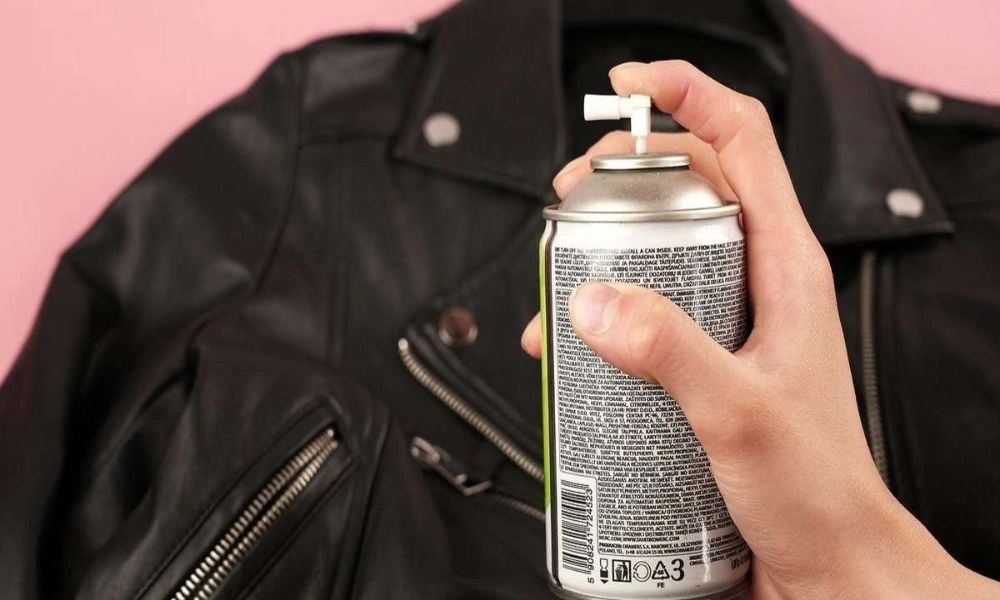
Prevention is always better than a cure. Before the rains hit, follow this preparation routine:
Step 1: Clean the Jacket Thoroughly First
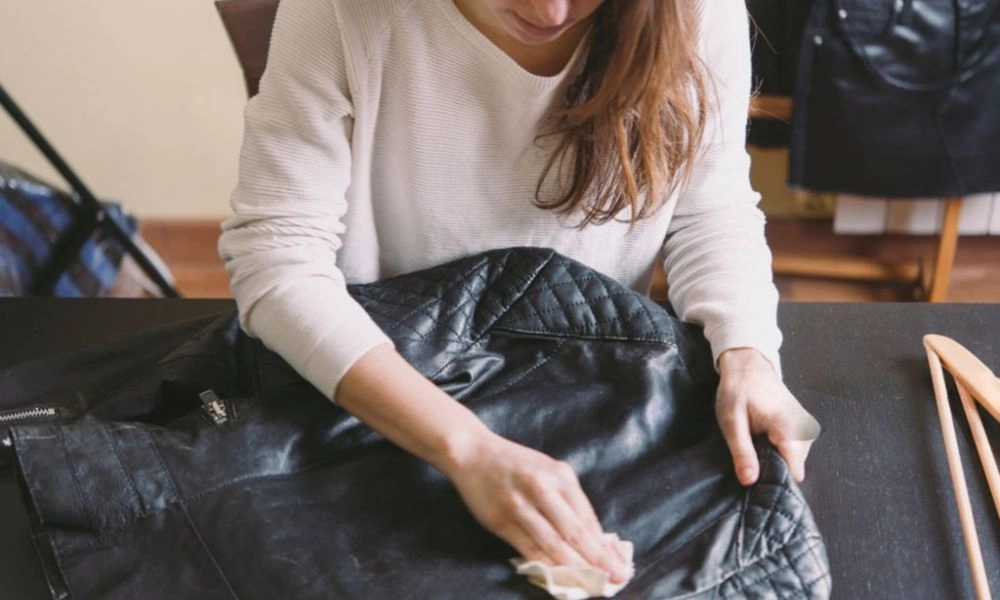
Never apply waterproofing to a dirty jacket. Use a slightly damp microfiber cloth to wipe down the entire surface. For stubborn dirt or old product buildup, use a dedicated leather cleaner. Allow it to dry completely before moving to the next step.
Step 2: Apply a Leather Conditioner
Before waterproofing, condition your leather jacket with a high-quality leather conditioner. This restores the natural oils, softens the material, and creates a better base for the waterproofing layer to adhere to. Apply evenly with a soft cloth and let it absorb for at least 30 minutes.
Pro Tip: Products like Leather Honey Conditioner or Chamberlain’s Leather Milk are widely trusted by leather care professionals and work on both genuine and most vegan leathers.
Step 3: Apply Waterproofing Spray or Wax
Once conditioned, apply a leather-specific waterproofing spray or wax. Hold the spray 6–8 inches from the surface and apply in even, overlapping strokes. Pay extra attention to seams, zippers, and shoulder areas; these are the first places water penetrates.
According to Gear Patrol, beeswax-based waterproofing products offer the most durable protection for genuine leather, creating a barrier that repels water without clogging the leather’s natural breathability.
Step 4: Let It Dry and Buff
Allow the jacket to air dry on a wide padded hanger for at least 2–3 hours. Once dry, gently buff the surface with a clean, dry cloth to restore shine and ensure even coverage.
Step 5: Repeat Every 3–4 Weeks During Monsoon
Waterproofing is not a one-time fix. During active monsoon months, reapply every 3 to 4 weeks, or immediately after the jacket gets heavily soaked.
What to Do If Your Leather Jacket Gets Wet
Despite your best efforts, sometimes the rain wins. Here’s exactly what to do if your leather jacket gets soaked:
Do This Immediately:
- Shake off excess water: gently, do not wring or twist the jacket
- Pat dry with a soft absorbent towel; never rub aggressively
- Hang it immediately on a wide padded hanger to maintain the shoulder shape
- Allow it to air dry at room temperature, away from direct sunlight or heat sources
Never Do This:
- Never use a hair dryer or iron or place near a radiator/heater, as heat causes leather to crack, shrink, and lose its shape permanently
- Never lay it flat to dry; it will develop creases and lose its structure
- Never stuff it in a bag while damp, mold will develop within 24–48 hours
- Never place it near a washing machine or in a dryer, as this can cause irreversible damage
Once the jacket is fully dry, which can take 12 to 24 hours, apply a leather conditioner to restore the moisture that the drying process removed.
Monsoon Storage Tips: How to Store Your Leather Jacket During the Rainy Season
If you decide to rotate your leather jacket out during peak monsoon weeks, proper storage is critical.
The Right Way to Store Leather in Humidity:
- Use a breathable fabric garment bag, never plastic. Plastic traps moisture and accelerates mold growth
- Store in a cool, dry area with good air circulation, not in a basement or bathroom cabinet
- Place 2–3 silica gel packets inside the garment bag to absorb ambient moisture
- Use a wide padded hanger; wire hangers distort the shoulder shape over time
- Never fold a leather jacket for long-term storage, as fold lines become permanent creases
- Check it every 2 weeks during storage to catch any moisture or mold issues early
According to Real Simple, the ideal storage humidity level for leather goods is between 40% and 50% relative humidity; anything higher encourages mold, anything lower causes the leather to dry out.
Leather Jacket Monsoon Care: Type-by-Type Guide
Different leather jacket styles need slightly different care approaches during the monsoon:
Biker / Moto Jacket
The most common leather jacket style is usually made with thicker, more structured leather. Biker jackets handle light rain better than most styles, but the hardware (zippers, studs, buckles) is vulnerable to rust. After getting wet, dry the hardware separately with a dry cloth and apply a tiny amount of metal polish to prevent oxidation.
Bomber Jacket
Bomber jackets often have a more relaxed, softer leather that is more susceptible to warping when wet. Extra attention to the ribbed cuffs and collar is needed; these areas hold moisture longer and can become stiff or discolored.
Cropped Leather Jacket
The shorter length means less surface area exposed to rain, which is an advantage. However, the hem edge is particularly vulnerable to water wicking. Make sure the bottom edge is well-conditioned and waterproofed.
Hooded Leather Jacket
The hood provides extra protection, but the junction between the hood and the jacket body is a common leak point. Check this seam carefully before the monsoon and apply extra waterproofing wax along the seam line.
Genuine Leather vs. Vegan Leather in Monsoon: Which Is Better?
This is one of the most common questions we get at Trendophobia during the rainy season.
Genuine leather requires more maintenance, but when properly treated, it develops a natural resistance to light moisture over time. A well-conditioned and waterproofed genuine leather jacket can last decades, even through multiple monsoon seasons.
Vegan or faux leather is inherently more water-resistant on the surface, but the material is more prone to peeling and cracking at the edges when repeatedly exposed to humidity. The lining and stitching on vegan leather jackets can also absorb water and develop odor.
Our recommendation: For heavy monsoon regions, a treated genuine leather jacket with a proper waterproofing routine actually outperforms vegan leather in the long run. For light rain and occasional exposure, a quality vegan leather jacket is a practical, lower-maintenance option.
Quick Monsoon Care Checklist for Leather Jacket Owners
Save this and check it every monsoon season:
Before Monsoon:
- Clean the jacket thoroughly
- Apply leather conditioner
- Apply waterproofing spray or wax
- Check all zippers and hardware for rust
- Inspect seams for any cracks or weak points
During Monsoon:
- Reapply waterproofing every 3–4 weeks
- Dry immediately if the jacket gets wet
- Never use heat to dry
- Store in a breathable garment bag with silica gel when not in use
- Condition once every 2 weeks
After Monsoon:
- Deep-clean the entire jacket
- Apply a generous coat of conditioner
- Polish all hardware
- Store properly for the off-season
Frequently Asked Questions (FAQ)
Can I wear a leather jacket in the rain?
Drizzle is generally fine if your jacket is properly waterproofed. Heavy rain, however, should be avoided; even treated leather can be damaged by prolonged heavy soaking. If you’re in a heavy-rain region, carry a foldable waterproof poncho as backup.
How do I remove water stains from a leather jacket?
Dampen a clean cloth with distilled water and gently wipe the entire panel where the stain is, not just the stain itself. Wiping just the stain creates a ring mark. Let it air dry naturally and then apply conditioner. For stubborn stains, use a leather-specific stain remover.
Can I put my leather jacket in the washing machine?
Absolutely not. Machine washing destroys genuine leather; it strips the natural oils, causes irreversible shrinkage, and can crack the material permanently. Spot clean with a damp cloth and leather cleaner only.
How do I remove mold from a leather jacket?
Mix equal parts water and rubbing alcohol. Dampen a cloth with the solution and gently wipe the affected areas. Let it air-dry completely, then apply leather conditioner. If mold has penetrated deeply, take the jacket to a professional leather cleaner.
What is the best waterproofing product for leather jackets?
Beeswax-based products like Otter Wax or Nikwax Leather Proof are widely recommended by leather care professionals. For spray options, Scotchgard Leather Protector is a reliable and widely available choice. Always test on a small, hidden area first.
Does waterproofing change the color or texture of my leather jacket?
Some products can slightly darken the leather or add a subtle sheen. Always test on a small inconspicuous area first, like inside the collar or under the hem, before applying to the full jacket. Spray products tend to have less effect on appearance than wax-based ones.
Final Thoughts: A Little Care Goes a Long Way
Your leather jacket is an investment, and like any investment, it rewards those who protect it. The monsoon season doesn’t have to be a threat to your favorite piece. With a proper waterproofing routine, the right drying technique, and smart storage habits, your leather jacket can come out of every rainy season looking as sharp as ever.
At Trendophobia, every jacket we design is built to last, but even the best leather needs your help during the toughest season of the year. Follow this guide, and your jacket will thank you for years to come.