
Introduction
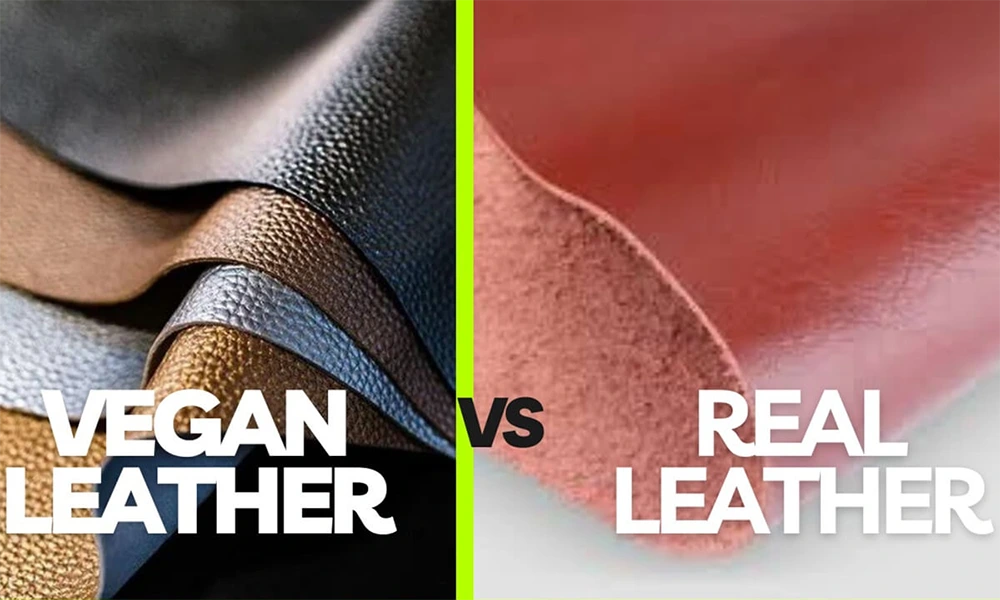
The leather jacket buying decision used to be simple. You walked into a store, you picked a style you liked, and you bought it in genuine leather. That was the only option available.
In 2026, the decision is more nuanced. Vegan leather has evolved from a cheap synthetic alternative into a legitimate material category with its own strengths, applications, and audience. At the same time, genuine leather has never been more varied, with full-grain, top-grain, and lower-grade options all marketed under the broad label of “real leather” in ways that can mislead buyers.
The result is that choosing between Vegan leather vs genuine leather now requires actual information rather than assumptions. This guide gives you that information clearly and honestly. We cover what each material actually is, how they compare across every factor that matters to a jacket buyer, and which choice makes sense for your specific priorities and lifestyle. At Trendophobia, we offer both genuine leather and premium vegan leather jackets because we believe in giving every customer the right product for their needs rather than pushing one material over the other. This guide reflects that commitment to honest, complete information.
What Is Genuine Leather? A Complete Breakdown
Genuine leather is made from animal hide, most commonly cowhide, though lambskin, pigskin, and goatskin are also used. The hide goes through a process called tanning, which stabilizes the material and transforms it into the flexible, durable product used in clothing and accessories.
However, the term “genuine leather” on a product label does not tell you as much as most buyers assume. The quality of genuine leather varies enormously depending on which layer of the hide was used in production. Understanding these grades is essential before making any purchase.
Full-Grain Leather
Full-grain leather uses the complete outermost layer of the animal hide, with the natural grain kept entirely intact. It is the strongest, most durable, and highest quality form of leather available. According to Hoplok Leather, full-grain leather contains the dense, interlocking fiber structure right below the surface of the hide, which gives it exceptional tensile strength, resistance to tearing, and the ability to flex and stretch millions of times without breaking.
Full-grain leather develops a patina over the years of wear, becoming more characterful, softer, and more personal with each passing season. A full-grain leather jacket purchased today will genuinely look and feel better in five years than it does on day one.
Top-Grain Leather
Top-grain leather is slightly thinner than full-grain because the surface has been lightly sanded and treated to remove natural imperfections such as scars or marks. It is still high-quality and durable but lacks the full natural grain structure of full-grain leather. Most premium retail leather jackets are made from top-grain leather.
Corrected-Grain and Split Leather
This is where the term “genuine leather” becomes genuinely misleading for consumers. Corrected-grain leather has been heavily sanded to remove surface imperfections and then coated with an artificial grain pattern and paint or polyurethane. Split leather uses the weaker lower layers of the hide rather than the strong top layer.
Both of these grades are technically “genuine leather” and are legally labeled as such, but their durability is significantly lower than full-grain or top-grain options. According to Hoplok Leather, these lower-grade genuine leathers can crack and peel in as little as six to twelve months, performing worse in practice than a high-quality vegan leather product.The key takeaway for buyers: always ask which grade of genuine leather a jacket uses. “Genuine leather” on a label without further specification is not a quality guarantee.
What Is Vegan Leather? Types, Materials, and What to Look For
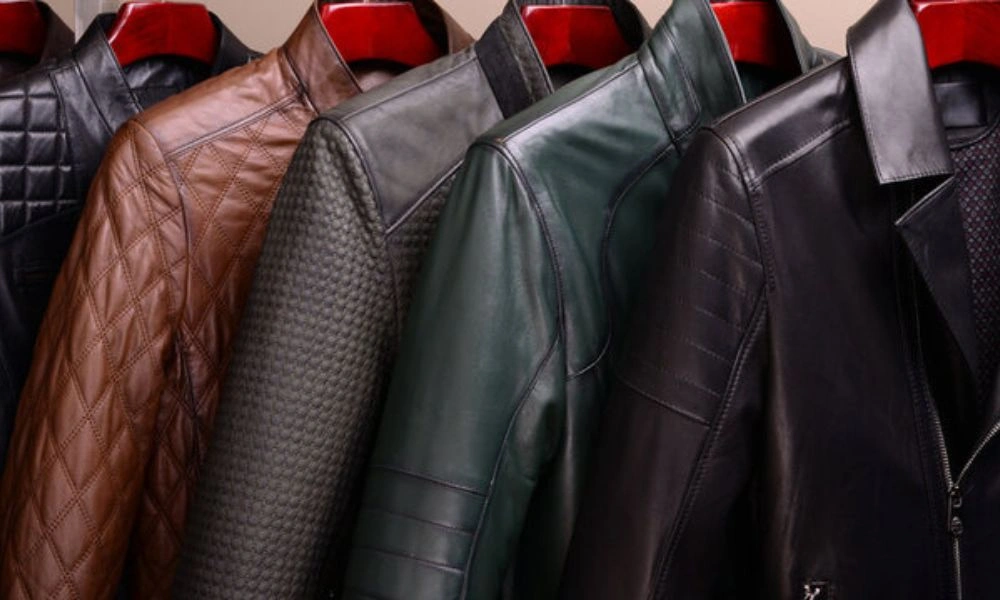
Vegan leather is any leather alternative that does not use animal hide. It is sometimes called faux leather, synthetic leather, or PU leather, and it covers a wide range of materials with significantly different properties.
PU Leather (Polyurethane)
The most widely used vegan leather in the fashion industry. PU leather is made by coating a fabric base, typically polyester or cotton, with a layer of polyurethane. The result is a material that visually resembles genuine leather and can be produced consistently and affordably in any color or finish.
According to Cuir Jackets, most vegan leather on the market today is PU-based. It is the most accessible, most affordable, and most commercially proven vegan leather option. High-quality PU leather products typically last between two and five years under regular use before showing signs of wear.
PVC Leather (Polyvinyl Chloride)
PVC leather is more durable than standard PU but significantly less breathable. It is commonly used in applications requiring maximum water resistance and durability, but it is less comfortable for clothing because of its poor breathability. PVC leather has also faced criticism for its environmental impact during production.
Plant-Based and Next-Generation Vegan Leathers
The most exciting development in vegan leather is the emergence of plant-based alternatives made from materials such as cactus fiber, pineapple leaf fiber (branded as Piñatex), apple waste, mushroom mycelium (Mylo), and cork. These materials are genuinely sustainable, biodegradable alternatives to both traditional leather and plastic-based synthetics.
According to YSTUDIO Style, these plant-based options can be modified to have different properties, including breathability, heat resistance, and water resistance, giving them a versatility that traditional PU leather does not offer.
However, as BS Bag Factory notes, most plant-based leathers are not yet mainstream sourcing options in consumer fashion in 2026. They typically carry a price premium and are not yet widely available in the jacket category at scale. They represent the future of vegan leather rather than the current mainstream.
The Complete Comparison: Vegan Leather vs Genuine Leather Jackets
Durability and Lifespan
This is the most commonly asked question, and the answer requires nuance rather than a simple winner.
Full-grain and top-grain genuine leather jackets, when properly maintained, are built to last decades. The natural fiber structure of high-quality leather means it withstands regular wear, flexes without breaking, and improves rather than deteriorates with use. A well-maintained full-grain leather jacket is genuinely a lifelong purchase.
Standard PU vegan leather jackets are designed for shorter lifespans. According to Hoplok Leather, most retail vegan leather jackets are designed for three to five years under moderate use. Once degradation begins in vegan leather, it cannot be reversed. Peeling, cracking, and surface flaking are the typical end-of-life signs.
The important caveat is that low-grade genuine leather (corrected-grain or split leather) can actually perform worse than high-quality PU vegan leather. A poorly made “genuine leather” jacket can crack within a year, while a well-made PU jacket can comfortably last three to five years.
Winner: High-grade genuine leather for long-term use. Premium PU vegan leather beats low-grade genuine leather.
Feel, Texture, and Appearance
Genuine leather has a warm, grainy, slightly uneven texture with natural pores and subtle variations across the surface. It feels alive in the hand in a way that synthetic materials struggle to replicate. Over time, the surface softens and molds to the wearer’s body.
Vegan leather tends to feel smoother, cooler, and more uniform. According to Best Leather NY, the uniformity of vegan leather is both its strength and its weakness. It looks consistent and photographs well but lacks the natural character and tactile richness of genuine leather.
High-quality PU vegan leather has closed the gap significantly in recent years. From a visual distance, premium vegan leather jackets are nearly indistinguishable from genuine leather. The difference is most apparent when you touch and wear the material over time.
Winner: Genuine leather for feel, texture, and long-term character. Vegan leather is visually competitive, especially in photographs.
Price and Value
Genuine leather jackets cost significantly more upfront than comparable vegan leather options. This reflects the higher cost of raw materials, more complex production processes, and the longer lifespan the material offers.
Vegan leather jackets are more accessible price-wise, making them a practical option for buyers who want the leather jacket aesthetic without the investment commitment of genuine leather.
However, when evaluated on cost-per-wear over time, full-grain genuine leather almost always delivers better value. A genuine leather jacket that lasts twenty years at a higher price point costs significantly less per wear than a vegan leather jacket purchased at a lower price but replaced every three to five years.
Winner: Vegan leather for upfront affordability. Genuine leather for long-term cost-per-wear value.
Environmental Impact
This is the most complex comparison factor and the one most often oversimplified in fashion content.
The conventional assumption is that vegan leather is always more environmentally friendly than genuine leather. The reality is more nuanced. Standard PU and PVC vegan leather is made from petroleum-based plastics. These materials do not biodegrade and contribute to microplastic pollution. The production process for PVC leather especially carries significant environmental concerns.
Genuine leather carries its own environmental challenges. The livestock industry has a substantial carbon footprint, and the tanning process can involve harmful chemicals if not managed responsibly. However, leather from responsibly sourced hides, particularly as a byproduct of the meat industry using vegetable-tanning processes, can have a lower long-term environmental impact than repeatedly replacing plastic-based jackets every few years.
Plant-based vegan leathers are genuinely the most environmentally positive option and represent the direction the industry is heading. For buyers for whom environmental impact is a primary concern, seeking out plant-based vegan leather options or responsibly sourced genuine leather from brands with transparent supply chains is the most informed approach.
Winner: Plant-based vegan leather for the lowest environmental impact. Plastic-based vegan leather is not automatically more sustainable than responsibly sourced genuine leather.
Breathability and Comfort
Genuine leather is a natural, porous material that allows water vapor to pass through the surface. This breathability makes it significantly more comfortable for extended wear, particularly in varying temperatures. Leather warms when you are cold and releases heat when you are warm, creating a naturally adaptive wearing experience.
PU vegan leather is technically microporous and more breathable than PVC, but it does not approach the breathability of genuine leather. In warm weather or during active use, vegan leather jackets can feel warmer and less comfortable than genuine leather equivalents.
Winner: Genuine leather for breathability and comfort in extended wear.
Maintenance and Care
Vegan leather requires less maintenance than genuine leather. Surface stains wipe off easily with a damp cloth. It does not require conditioning and is naturally water-resistant, so light rain or spills are not a concern.
Genuine leather requires regular conditioning to maintain its oils and prevent cracking, careful storage on padded hangers, prompt attention when it gets wet, and periodic cleaning with leather-specific products. The maintenance investment is real but not burdensome, and it is precisely this care that rewards the owner with a jacket that improves over time.
Winner: Vegan leather for low-maintenance convenience. Genuine leather for those willing to invest in care.
Animal Welfare and Ethics
This factor is not about performance but about personal values. Vegan leather uses no animal products and is produced entirely without animal harm. For buyers for whom animal welfare is a primary consideration, vegan leather is the clear choice regardless of any performance comparisons.
Genuine leather is an animal product. Some buyers find this unacceptable regardless of quality or environmental comparisons. Others make different value judgments. This is a personal decision that only the buyer can make based on their own values and priorities.
Winner: Vegan leather for animal welfare and cruelty-free credentials.
Full Comparison Table: Vegan Leather vs Genuine Leather Jackets
| Factor | Full-Grain Genuine Leather | Top-Grain Genuine Leather | Premium PU Vegan Leather | Plant-Based Vegan Leather |
| Lifespan | 20 to 30+ years | 10 to 20 years | 3 to 5 years | 3 to 7 years |
| Feel and Texture | Natural, warm, uneven grain | Smooth, refined, slight grain | Uniform, cool, synthetic | Varies by material |
| Price Range | High investment | Medium-high | Affordable to mid-range | Mid to high (premium) |
| Breathability | Excellent | Good | Moderate | Moderate to good |
| Water Resistance | Low without treatment | Low without treatment | High naturally | Moderate to high |
| Maintenance Required | Regular conditioning needed | Regular conditioning needed | Minimal | Minimal to moderate |
| Environmental Impact | Mixed, depends on sourcing | Mixed, depends on sourcing | Plastic-based, not biodegradable | Lowest impact option |
| Animal-Free | No | No | Yes | Yes |
| Improves with Age | Yes, develops patina | Slightly | No, degrades over time | Varies |
| Best For | Investment, long-term use | Premium everyday wear | Budget, trend pieces | Eco-conscious buyers |
How to Tell the Difference Between Vegan and Genuine Leather
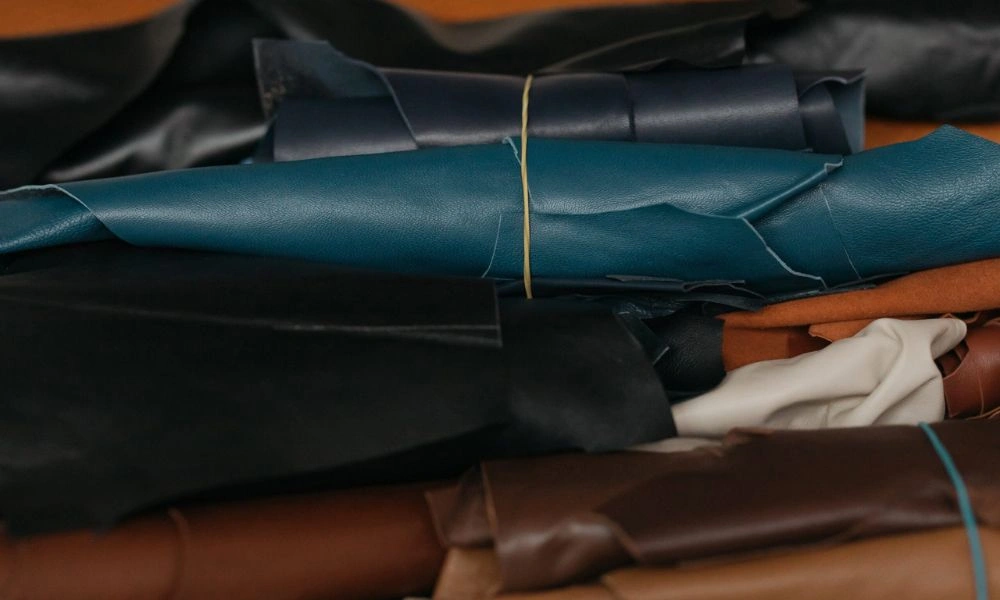
Knowing which type of leather you are looking at before buying is an important skill. Here are the most reliable ways to identify each material.
The Smell Test
Genuine leather has a distinctive, earthy, rich, natural aroma that comes from the animal hide. It is an immediately recognizable smell that synthetic materials cannot accurately replicate. According to Best Leather NY, vegan leather typically has a slightly chemical or plastic-like smell because of the polyurethane or other synthetic materials used in its production.
The Touch Test
Run your hand across the surface. Genuine leather feels warm, grainy, and slightly uneven with natural pores and subtle imperfections. Vegan leather tends to feel cooler, smoother, and more uniform. High-quality PU has improved significantly in recent years, but the warmth and natural variation of genuine leather remain distinctive.
The Water Test
Sprinkle a small amount of water on the surface. Genuine leather absorbs moisture slowly, darkening slightly as it soaks in. Vegan leather repels water completely, leaving droplets on the surface. This test is highly reliable for distinguishing the two materials.
The Edge Test
Check the cut edges of the jacket, particularly at cuffs, hems, and seams. Genuine leather shows a rough, fibrous texture at cut edges because it is a solid natural material throughout. Vegan leather shows a clean, smooth edge with a visible fabric backing layer, confirming its layered construction.
Read the Label
Reputable brands clearly label their products. Tags reading “Full-Grain Leather,” “Top-Grain Leather,” or “Genuine Leather” indicate animal hide. Tags reading “PU Leather,” “Vegan Leather,” “Faux Leather,” or “Bonded Leather” indicate synthetic material. If no material label is present, ask before purchasing.
Who Should Choose Genuine Leather?
Genuine leather is the right choice if you are looking for a long-term wardrobe investment that will last decades, improve with wear, and deliver the most authentic leather experience in terms of feel, breathability, and character.
It is the stronger choice for buyers who plan to wear their jacket regularly over many years, who value the natural patina and personalization that develops over time, and who are willing to invest both the purchase price and the maintenance commitment that genuine leather requires.
Who Should Choose Vegan Leather?
Vegan leather is the right choice if animal welfare is a primary concern for you, if you are working within a tighter budget, or if you want a premium jacket for trend-led styling rather than decades of regular wear.
It is also a practical choice for buyers in climates or lifestyles where water resistance is important, where low-maintenance care is a priority, or where the jacket will serve a more seasonal or rotational role in the wardrobe rather than being a daily cornerstone piece.
For eco-conscious buyers specifically, seeking out plant-based vegan leather options or brands with transparent environmental sourcing practices will deliver the most genuinely sustainable outcome.
Care Guide: How to Maintain Both Types
Caring for a Genuine Leather Jacket
Apply a quality leather conditioner every three to four months to restore the material’s natural oils and prevent surface cracking. Store on a wide padded hanger in a breathable fabric garment bag. If the jacket gets wet, pat it dry immediately with a soft absorbent cloth and allow to air dry at room temperature. Never use heat sources to dry genuine leather. Clean the surface with a slightly damp microfiber cloth for regular maintenance, or use a dedicated leather cleaner for stubborn marks.
Caring for a Vegan-Leather Jacket
Wipe surface stains with a damp cloth and mild soap solution. Allow it to air dry naturally. Avoid prolonged exposure to extreme heat, which can cause the surface coating to crack or peel faster. Store on a padded hanger to maintain the jacket’s shape. Avoid folding for storage, as this can create permanent crease lines in the surface coating.
Frequently Asked Questions (FAQ)
Is vegan leather as good as genuine leather for a jacket?
It depends on what you mean by “good.” For durability and long-term value, high-grade genuine leather outperforms standard vegan leather. For animal ethics, affordability, and low maintenance, vegan leather is the better choice. Premium PU vegan leather is a legitimate, quality material for buyers who prioritize those factors. Neither is objectively better across all categories.
How long does a vegan leather jacket last?
A high-quality PU vegan leather jacket typically lasts between three and five years under regular use before showing signs of wear, such as surface cracking or peeling. With careful maintenance and moderate use, some premium vegan leather jackets can last longer. Plant-based vegan leather’s lifespan varies by material and is an evolving category.
How long does a genuine leather jacket last?
A full-grain genuine leather jacket, properly maintained, can last twenty to thirty years or longer. Top-grain leather jackets typically last ten to twenty years. Lower grades of genuine leather, such as corrected-grain or split leather, can degrade in as little as one to three years, performing closer to standard vegan leather in durability.
Is vegan leather environmentally friendly?
Standard PU and PVC vegan leather is made from petroleum-based plastics that do not biodegrade. It is not inherently more sustainable than responsibly sourced genuine leather, despite common assumptions. Plant-based vegan leathers made from cactus, pineapple leaf fiber, or mushroom mycelium are genuinely more sustainable options but are not yet widely available in mainstream fashion at scale.
Can you tell the difference between vegan and genuine leather?
Yes, with practice. Genuine leather has a natural, warm, slightly uneven texture and a distinctive earthy smell. Vegan leather tends to feel cooler, smoother, and more uniform and has a faint synthetic smell. A water test is highly reliable: genuine leather absorbs water while vegan leather repels it. Cut edges also reveal the difference; genuine leather shows fibrous natural material throughout, while vegan leather shows a synthetic coating over a fabric base.
Which is better for a leather jacket: PU vegan leather or genuine leather?
For a jacket intended as a long-term investment piece, top-grain or full-grain genuine leather delivers superior durability, breathability, and long-term character. For a jacket intended for shorter-term use, trend-driven styling, or ethical/budget reasons, high-quality PU vegan leather is a fully legitimate choice. The answer depends on your priorities, not on an absolute quality ranking.
Does vegan leather look as good as genuine leather?
Visually, premium vegan leather has closed the gap significantly. In photographs and from a visual distance, high-quality PU leather is very difficult to distinguish from genuine leather. The differences become more apparent in tactile feel, particularly the warmth and natural grain of genuine leather, and in how the material ages over time.
Final Thoughts: Making the Right Choice for You
The vegan versus genuine leather debate does not have a single correct answer. Both materials are legitimate, both have genuine strengths, and both have real limitations. The right choice is the one that best matches your priorities.
If you want a jacket that will last decades, develop personal character, and represent a genuine wardrobe investment, full-grain or top-grain genuine leather is the clear recommendation. If you want a jacket that is cruelty-free, more affordable, easier to maintain, and appropriate for trend-driven styling, premium vegan leather is a completely valid choice.At Trendophobia, we offer both genuine leather and premium vegan leather jackets precisely because we believe both materials deserve a place in a well-considered wardrobe. Browse our full collection and choose the material and style that reflects your values, your lifestyle, and your personal sense of style.